
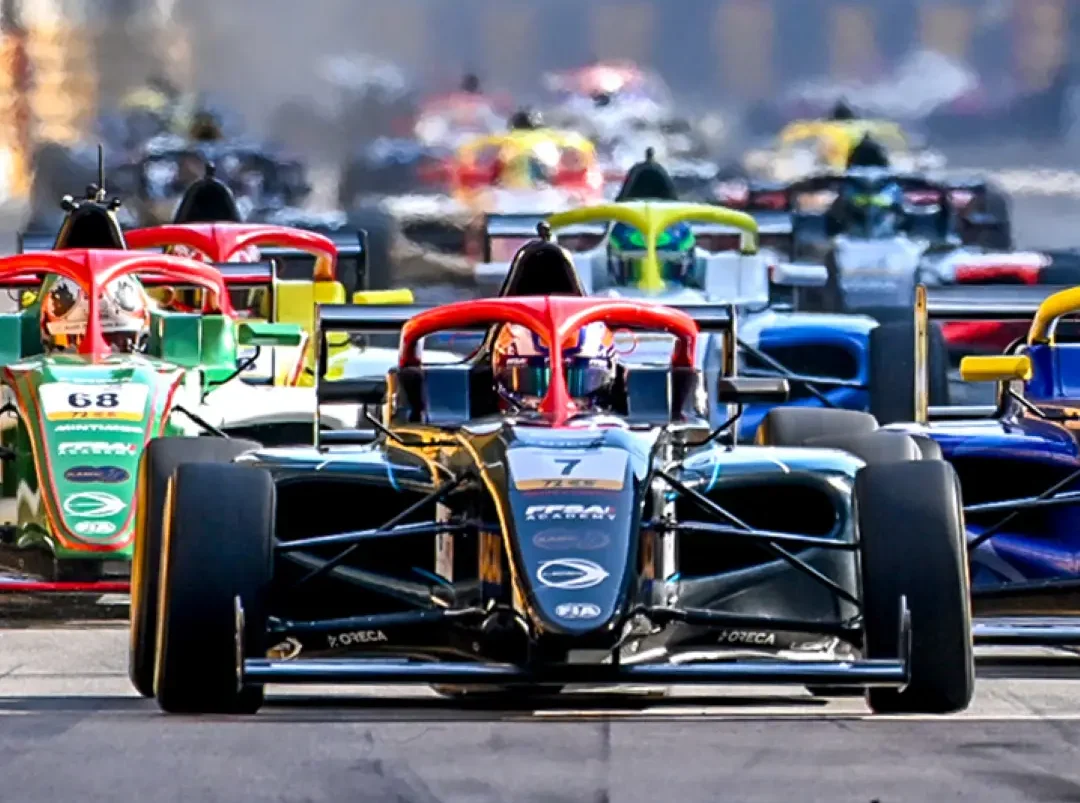
The Macau Grand Prix 2026 returns from 19 to 22 November, bringing together some of the world’s most talented drivers and riders for four days of high-speed competition on the legendary Guia Circuit. More than just a race weekend, the Macau GP has become one of Asia’s most iconic sporting events, combining motorsport, tourism, culture and international prestige in a way few competitions can match.
Now in its 73rd edition, the Macau Grand Prix continues to attract competitors from across Europe, Asia, North America and Oceania. The event remains unique in global motorsport because it brings together multiple racing disciplines, including GT racing, Formula Regional competition and the famous Macau Motorcycle Grand Prix, all on a demanding street circuit running through the heart of the city.
For visitors, the Macau Grand Prix is one of the best times of the year to experience Macau. For competitors, meanwhile, it represents one of the most difficult tests in racing. Success requires not only speed, but also precision, courage and an intimate understanding of a circuit that leaves almost no room for error.
Table of Contents
For visitors interested in Macau beyond motorsport, Italy in Macao founder Andrea Pimpini has also written about the territory’s cultural heritage, urban development and unique role as a meeting point between Chinese and European influences.
- Macau’s real test isn’t gaming anymore – Macau Business
- Macau’s Non-Gaming Bet Needs More Than Money – TravelDailyNews Asia-Pacific
What Makes the Macau Grand Prix So Famous?
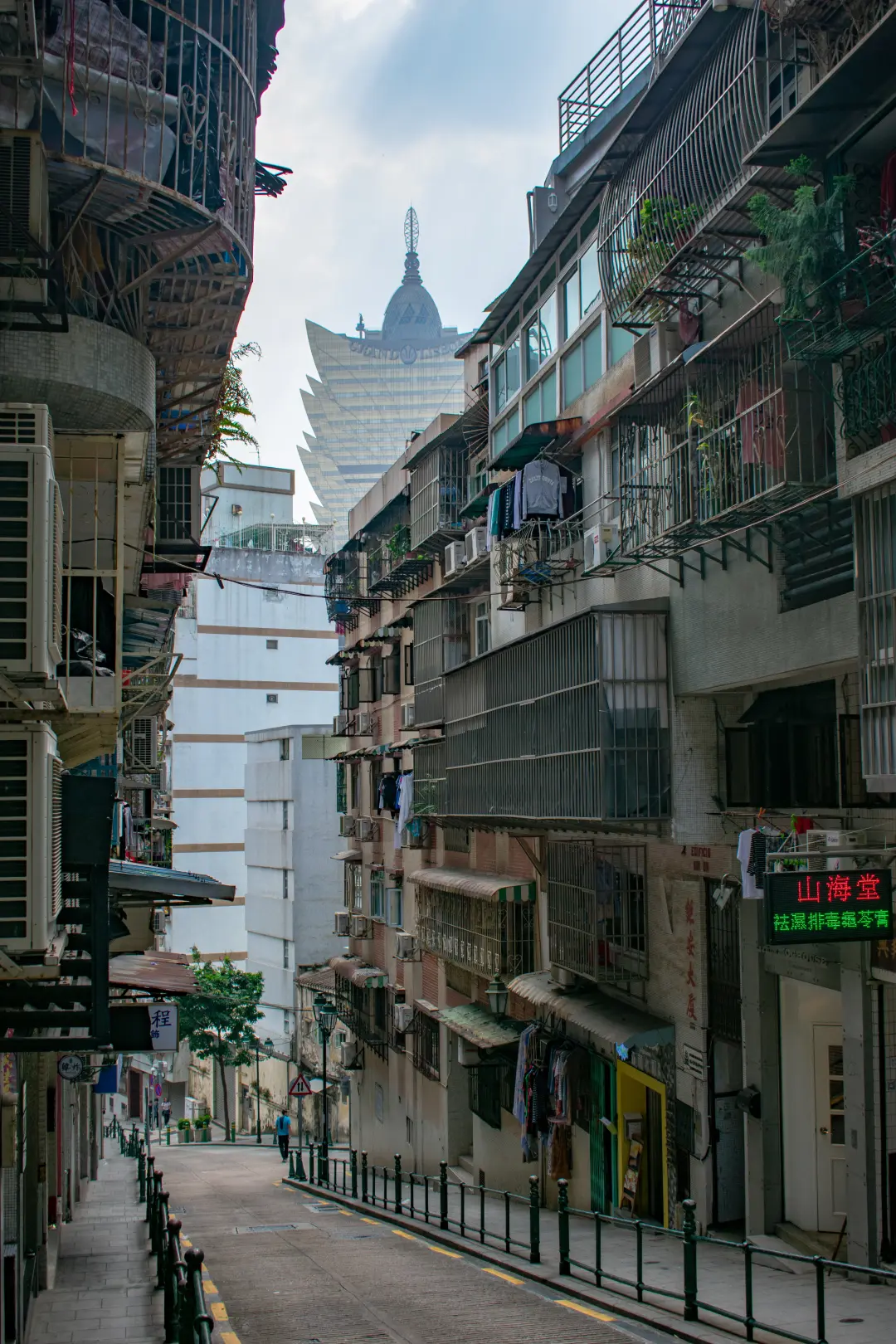
The significance of the Macau Grand Prix extends far beyond the city itself.
Throughout its history, the event has served as a proving ground for future champions. Many drivers who later achieved success in Formula 1, endurance racing and touring car championships first demonstrated their abilities on the streets of Macau.
Unlike purpose-built racing facilities, the Guia Circuit is a temporary street track. Public roads are transformed into a race venue, creating a unique environment where barriers line virtually every section of the course. Drivers and riders must balance aggression with discipline, constantly operating on the limit.
This combination of technical complexity, historical prestige and international participation has helped establish the Macau Grand Prix as one of the world’s most respected motorsport events.
The race has become so closely associated with the city that many fans view Macau and motorsport as inseparable. Year after year, images of racing cars climbing the Guia hill and motorcycles threading through tight corners attract viewers from around the world.
The Legendary Guia Circuit
At the heart of the Macau Grand Prix lies the Guia Circuit, one of the most challenging street circuits ever created.
Measuring more than six kilometres in length, the circuit combines long high-speed straights with extremely narrow technical sections. The contrast between these elements is what makes Guia particularly demanding.
The circuit’s best-known section is perhaps the Melco Hairpin, one of the tightest corners in world motorsport. Drivers must dramatically reduce speed before carefully navigating the turn without losing momentum.
What distinguishes Guia from many other race tracks is the absence of runoff areas. While modern circuits often provide large escape zones, the Macau GP offers little forgiveness. A small mistake can end a competitor’s race instantly.
This challenge has earned Guia legendary status. Drivers frequently describe it as one of the few circuits where individual skill can make a decisive difference.
Mercedes-AMG driver Maro Engel, a multiple Macau GT winner, has described Guia as a track that demands everything from a driver. His observation reflects a commonly held view among competitors: machinery matters, but talent matters just as much in Macau.
Why Drivers and Riders Respect the Macau GP
The Macau Grand Prix enjoys a reputation unlike almost any other race because competitors genuinely fear and respect the track.
American driver Ugo Ugochukwu, winner of the Formula Regional World Cup in Macau, described Guia as one of the toughest circuits he had ever experienced. Uneven surfaces, changing conditions and the challenges of racing close to barriers all contribute to the difficulty.
Touring car legend Rob Huff, one of the most successful competitors in Macau history, famously explained after setting a circuit record that he felt close to crashing at almost every corner during his fastest lap.
The same sentiment exists among motorcycle competitors.
The Macau Motorcycle Grand Prix is widely considered one of the world’s most demanding road races. Riders regularly exceed 250 km/h while navigating narrow sections bordered by walls and barriers.
British rider Marcus Simpson has highlighted the unique challenge of balancing speed and safety around Guia. According to many competitors, the fastest way around the circuit often requires an extraordinary degree of commitment and confidence.
The result is a race that rewards bravery, preparation and consistency rather than outright speed alone.
The 2026 Macau Grand Prix Programme
The 2026 Macau Grand Prix features a packed schedule showcasing multiple categories.
Among the headline events are:
- Macau GT Cup – FIA GT World Cup
- Formula Regional World Cup
- Formula 4 Macau competition
- Macau Motorcycle Grand Prix (58th Edition)
- Touring and support races
The GT World Cup remains one of the most prestigious races on the programme, attracting elite manufacturers and internationally recognised drivers.
Formula Regional competition also continues to grow in importance as young talents seek to establish themselves on one of motorsport’s most historic stages.
On two wheels, the motorcycle race remains a major attraction. The 2026 entry list includes notable competitors such as four-time winner Peter Hickman, who once again enters as one of the favourites.
Fans will also follow emerging riders and newcomers eager to make their mark on one of road racing’s most famous events.
The Macau Motorcycle Grand Prix Continues Its Unique Legacy
Although much attention focuses on the four-wheel races, the Macau Motorcycle Grand Prix deserves special recognition.
Few motorcycle events in the world possess the same combination of speed, risk and prestige.
The 2026 edition will feature twenty riders representing several countries, including the United Kingdom, France, Italy, Austria, Switzerland, Belgium and Ireland. Manufacturers including BMW, Honda, Yamaha and Kawasaki will be represented.
Peter Hickman enters the event with a remarkable record and considerable expectations. However, riders such as Rob Hodson, Paul Jordan, Phillip Crowe and Marcus Simpson could provide strong competition throughout the weekend.
For many motorcycle enthusiasts, the Guia Circuit represents one of the ultimate challenges in road racing, comparable in prestige to other iconic events such as the Isle of Man TT.
More Than Racing: The Macau Grand Prix as a Cultural Event
What makes the Macau Grand Prix especially appealing is that it extends beyond motorsport.
In 2026, the Macau Grand Prix Auto Show and the Macao City Culture Festival have been organised to enhance the race-week atmosphere.
The Auto Show allows visitors to see race cars and motorcycles up close, while fans can meet competitors and purchase Grand Prix-themed merchandise.
At the same time, the Macao City Culture Festival showcases Macau’s cultural identity through exhibitions, performances, heritage activities and interactive experiences.
The initiative reflects a broader strategy to connect sport and culture, allowing visitors to discover not only the excitement of racing but also the historical and cultural richness that makes Macau unique.
This combination enhances Macau’s attractiveness as a tourism destination and demonstrates why the Grand Prix remains one of the city’s most important annual events.
Why the Macau Grand Prix Matters for Tourism
The economic and tourism impact of the Macau Grand Prix is substantial.
Every November, thousands of visitors travel to Macau specifically for race week. Hotels, restaurants, attractions and local businesses all benefit from the increased activity generated by the event.
The Grand Prix also provides extensive international exposure. Television broadcasts, online streaming, social media coverage and motorsport publications bring images of Macau to audiences across the world.
For many international visitors, the Macau GP serves as an introduction to the territory. Some arrive for the races and later return to explore Macau’s UNESCO-listed Historic Centre, culinary scene and cultural attractions.
This relationship between sport and tourism has become an important component of Macau’s international identity.
Why the Macau Grand Prix Will Remain Relevant for Future Generations
Motorsport continues to evolve, but the Macau Grand Prix retains qualities that cannot easily be replicated.
Many modern circuits prioritise safety through wide runoff areas and highly controlled environments. While these features are important, they also make many tracks feel similar.
The Guia Circuit remains distinctive because it preserves the traditional challenge of street racing while meeting contemporary organisational standards.
The event’s rich history, prestigious winners and unique atmosphere create a legacy that appeals to both longtime enthusiasts and new fans.
As long as competitors continue searching for one of the ultimate tests of driving and riding ability, the Macau Grand Prix will maintain its place on the motorsport calendar.
Discover Macau Through Its Greatest Sporting Event
Whether you are a dedicated motorsport fan or a first-time visitor, the Macau Grand Prix offers an experience unlike any other.
The combination of world-class racing, a legendary street circuit, international competitors and cultural celebrations transforms Macau into one of Asia’s most exciting destinations each November.
The 2026 edition once again demonstrates why the Macau GP remains globally respected. Yet the appeal of the event extends beyond a single year. The history of the Guia Circuit, the courage required to compete and the atmosphere created throughout the city ensure that the Macau Grand Prix remains relevant long after each chequered flag falls.
For anyone interested in motorsport, travel or Macau itself, the Grand Prix is more than a race. It is a defining part of the city’s identity and one of the greatest street-racing spectacles in the world.
FAQ
When is the Macau Grand Prix held?
The Macau Grand Prix is traditionally held in November each year. The 73rd Macau Grand Prix takes place from 19 to 22 November 2026.
What is the Macau GP?
The Macau GP is an international motorsport event held annually on the Guia Circuit in Macau. It features multiple racing categories, including GT cars, Formula Regional cars and motorcycles.
Why is the Macau Grand Prix famous?
The event is famous for the challenging Guia Circuit, its long history, and its reputation as one of the most difficult street races in the world.
What races are included in the Macau Grand Prix?
The programme typically includes the FIA GT World Cup, Formula Regional World Cup, Formula 4 races, touring car competitions and the Macau Motorcycle Grand Prix.
What is the Guia Circuit?
The Guia Circuit is a temporary street circuit in Macau that combines fast straights, technical corners and extremely narrow sections, making it one of motorsport’s most demanding tracks.
Is the Macau Motorcycle Grand Prix different from the car races?
Yes. The Macau Motorcycle Grand Prix is a separate competition held on the same Guia Circuit and is regarded as one of the most prestigious motorcycle road races in the world.
Can tourists attend the Macau Grand Prix?
Yes. The Macau Grand Prix is open to local residents and international visitors. Many tourists plan their trips around race week to experience both the racing action and Macau’s cultural attractions.
What else can visitors do during the Macau Grand Prix?
During race week, visitors can attend the Macau Grand Prix Auto Show, explore the Macao City Culture Festival, visit heritage sites, enjoy local cuisine and discover Macau’s UNESCO-listed Historic Centre.

Andrea Pimpini has a BBA in Economics and Management from the University of Chieti-Pescara. He moved in Macau in December 2023, calling it his “new home”, and after some work experience in the city under working visa, he’s currently student of the MSc in International Integrated Resort Management at the University of Macau. Andrea has won multiple erasmus+ scholarships and also taken courses offered by the CERGE-EI Foundation.
Andrea Pimpini is a research assistant and MSc Candidate in International Integrated Resort Management at the University of Macau. His research focuses on tourism diversification, hospitality strategy, and cultural branding in Asia. He has published commentary on gaming and tourism in international outlets and is currently exploring the intersection of wellness, technology, and integrated resorts in Macau.